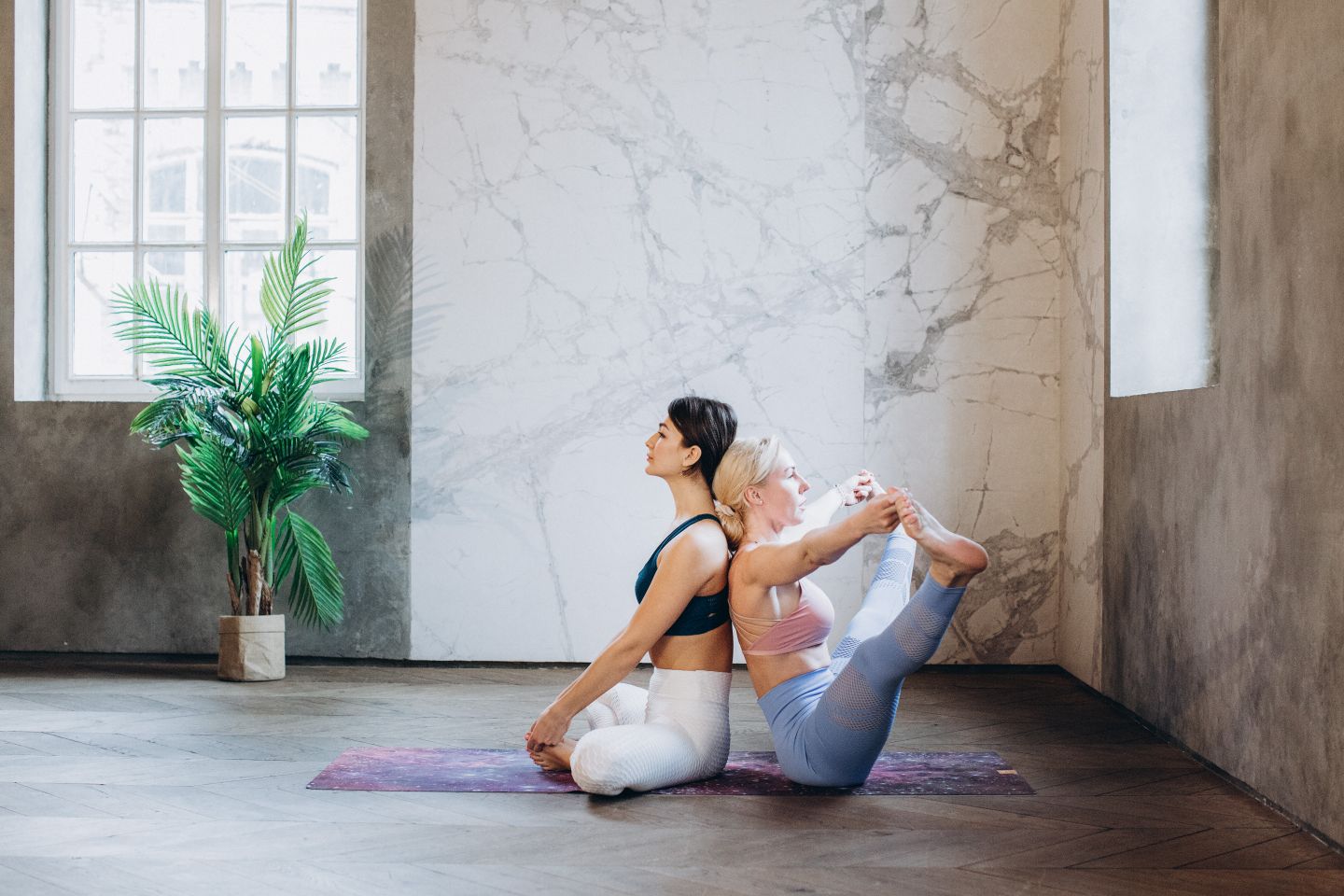
Choose movements you understand
Start with a few familiar actions whose setup you already know. A written cue works best as a reminder rather than a complete explanation of an unfamiliar position. Read the full guide first and leave out anything that remains unclear.
Select a manageable sequence with a clear beginning and ending. Three or four movements may be enough. Keep transitions simple so the notes do not need to include a complicated map of where each hand and foot goes next.
Make the cues easy to scan
Write one action on each line, using plain words that make sense to you. Add a support choice when useful, such as 'standing reach beside the chair.' Avoid abbreviations you might forget or directions that depend on remembering a demonstration.
Include permission to pause and a reminder of your preferred alternative. A line such as 'remain seated if easier today' can make the plan adaptable. Keep the page short enough to understand at a glance.
Place the notes thoughtfully
Put the sheet or device outside your movement area but within comfortable sight. Avoid placing it where you must make a large turn or lean to read. If needed, return to a simple seated or standing pause before checking the next line.
Use a readable font or generous handwriting, with enough contrast for the room's light. If you use a device, arrange it securely and silence unnecessary notifications. The notes should simplify attention rather than invite you into another task.
Let your pace lead
Move through the cues with pauses whenever you want. Repeat a familiar action a few times or skip it. Natural breathing can continue at its own rhythm; the page does not need to assign a breath count to every movement.
After finishing, change one cue that was awkward or unclear. You do not have to expand the sequence. A small set of useful notes can remain a reliable home companion, supporting your choices without setting the speed of the session.
A few common questions
Can a written sequence teach a completely new pose?
A brief cue is usually better for a movement you already understand. For unfamiliar instructions, use a fuller explanation or qualified guidance, and avoid guessing at an unclear setup.
Should I print the notes?
Print them if that is convenient, or use a securely placed device. Choose whichever option is easiest to read without interrupting the space or bringing unnecessary distractions into the session.
Published by the Lindluma journal.