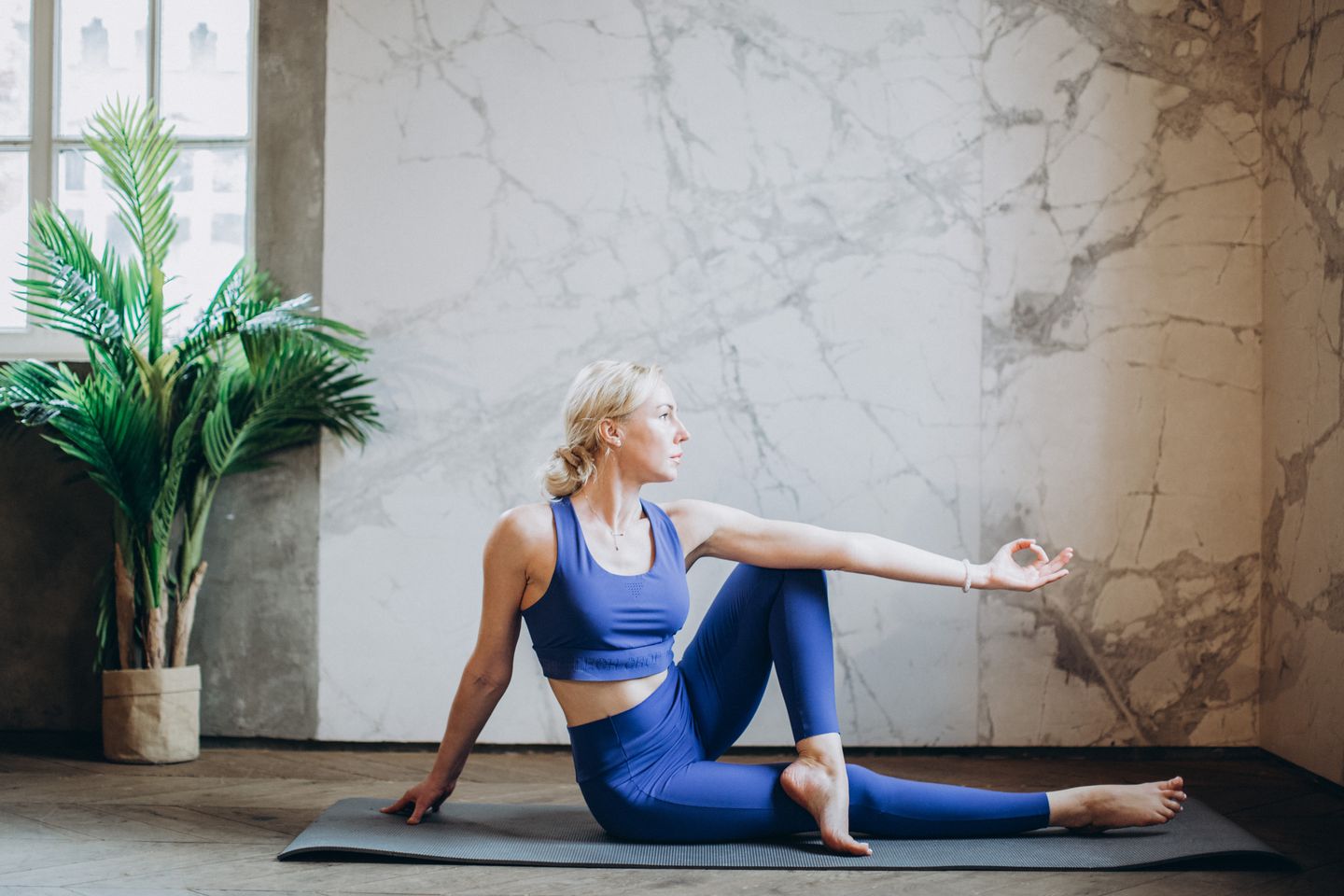
Notice the direction of the light
Spend a moment looking at where daylight falls before you arrange the mat. The brightest patch may move across the floor or create glare from a nearby surface. Choose a location that lets you see your surroundings comfortably.
There is no need to follow the sunshine itself. A place beside, rather than inside, a bright patch may feel more pleasant. Keep the clear movement area and your chosen positions in mind when selecting the spot.
Make one adjustment at a time
Try changing the curtain first, then check the room again. If that is not useful, move or turn the mat within the clear area. A modest adjustment is often easier than shifting several pieces of furniture for every session.
Keep curtains, cords, and loose fabric away from the space where you move. Avoid balancing decorative objects on a windowsill that you may reach toward. The light arrangement should remain practical even when you stand or change position.
Use ordinary lighting when needed
When daylight is limited, turn on a room light that gives a clear view of the floor and nearby objects. A softly lit room can still be usable, but you should not have to guess where a prop or furniture edge is.
Place portable lamps safely, with cords outside your route. Choose the amount of light for visibility and comfort rather than for a particular mood. You can create a welcoming space without candles or special equipment.
Allow the atmosphere to vary
A familiar routine may take place in bright daylight one day and ordinary room light the next. Keep the movements comfortable and let the setting change. The session does not need an identical visual atmosphere to have a clear beginning and ending.
If a different season changes which room is convenient, move the practice where it fits. Keep the essentials easy to carry and the setup modest. A light-filled approach means noticing and using available light thoughtfully, rather than depending on perfect sunshine.
A few common questions
Can I practice after dark?
Yes, if the room is safely arranged and lit well enough to see the area clearly. Choose familiar movements and a setup that suits the time and your own comfort.
Do I need special lamps?
No. Ordinary room lighting can work well. Check visibility, cable placement, and comfort rather than buying equipment to recreate a particular studio appearance.
Published by the Lindluma journal.